In last week’s blog post regarding the invisible feedback loop within the Deaf and hard of hearing community, I explored how the most definitive vetting often happens behind closed doors, outside the view of corporate leaders. This reality inevitably raises a high-stakes question for executive leadership: How do you know if you are partnering with vendors, agencies, or interpreters that community members actually trust?
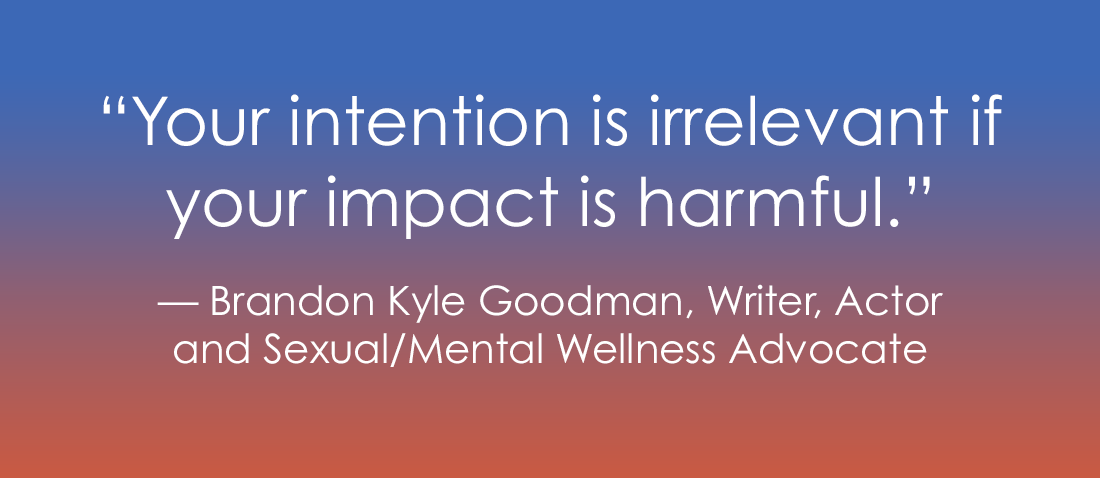
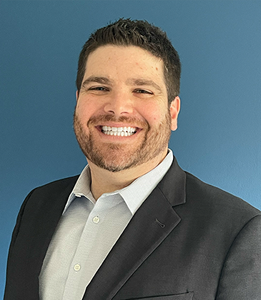
If an organization relies strictly on mainstream feedback channels, it might unknowingly contract with a vendor that fails the community's organic stamp of approval. Often, this misalignment isn't malicious, but the impact remains the same. An organization might unknowingly align with a vendor that markets themselves as an ally while engaging in cultural appropriation and "Deafwashing," the performative practice of marketing oneself as an ally while completely excluding Deaf leadership from internal structures, hiring practices, and wealth distribution. Ultimately, as writer, actor, and advocate Brandon Kyle Goodman reminds us, "Your intention is irrelevant if your impact is harmful."
The Hidden Cost of Misaligned Partnerships
When an organization partners with a compromised vendor, the fallout goes far beyond a poorly executed contract. It chips away at corporate credibility and signals to a highly connected community that your commitment to inclusion is merely transactional. True accessibility cannot be outsourced to entities that treat cultural compliance as a marketing gimmick. When corporate execution diverges from community reality, the resulting disconnect creates an invisible barrier to entry, quietly alienating the very individuals you intend to reach while draining resources on ineffective, hollow initiatives.
Moving Past the Compliance Trap
At 2axend, helping our partners navigate this specific line is one of the reasons why we exist. As a strategic consulting and training firm grounded in authentic representation, we understand that community trust is hard-earned and easily lost. We know that organizations cannot rely on assumption-based frameworks or third-party proxies to evaluate their operational partners.
When we step in as a strategic partner, we do not exist to provide a superficial rubber stamp of approval to existing, flawed frameworks. Instead, we help organizations audit their partnerships and build proactive, sustainable infrastructures through a rigorous, community-first lens.
We bridge this gap through three non-negotiable pillars:
- Rejecting Token Compliance: If an organization is looking for a quick public relations win or a token checkbox advisor, they are looking in the wrong place. We actively push organizations to move past basic legal compliance toward a proactive philosophy that is inclusive by design.
- Centering Lived Experience: We maintain that members of the community must be the primary architects and leaders of their own inclusion initiatives. We ensure that an organization's internal structures, language access metrics, and partner vendors authentically reflect this standard.
- Uncompromising Structural Assessments: We look past marketing claims to examine the actual friction points in an organization's linguistic access, systemic equity, and inclusive design frameworks. Our job is to expose structural gaps and build an intentional roadmap to fix them fundamentally.
Shifting from Reactive Risk to Intentional Design
Organizations can no longer afford to remain unaware of the real consensus forming outside their boardrooms. Waiting for a public crisis or quiet community alienation to realize a vendor has failed is a reactive risk. By working alongside 2axend to shift from a reactive mindset to a culture of intentional, community-led design, leaders can ensure their partnerships carry the genuine stamp of approval from the people they intend to serve.