
Patrick McMullen, a prominent Deaf digital creator, entrepreneur, and advocate, posted his thoughts about Deaf Awareness Month on the first day of the month, and I felt the same tension I’ve always had about awareness months.
Not just Deaf Awareness Month. All of them.
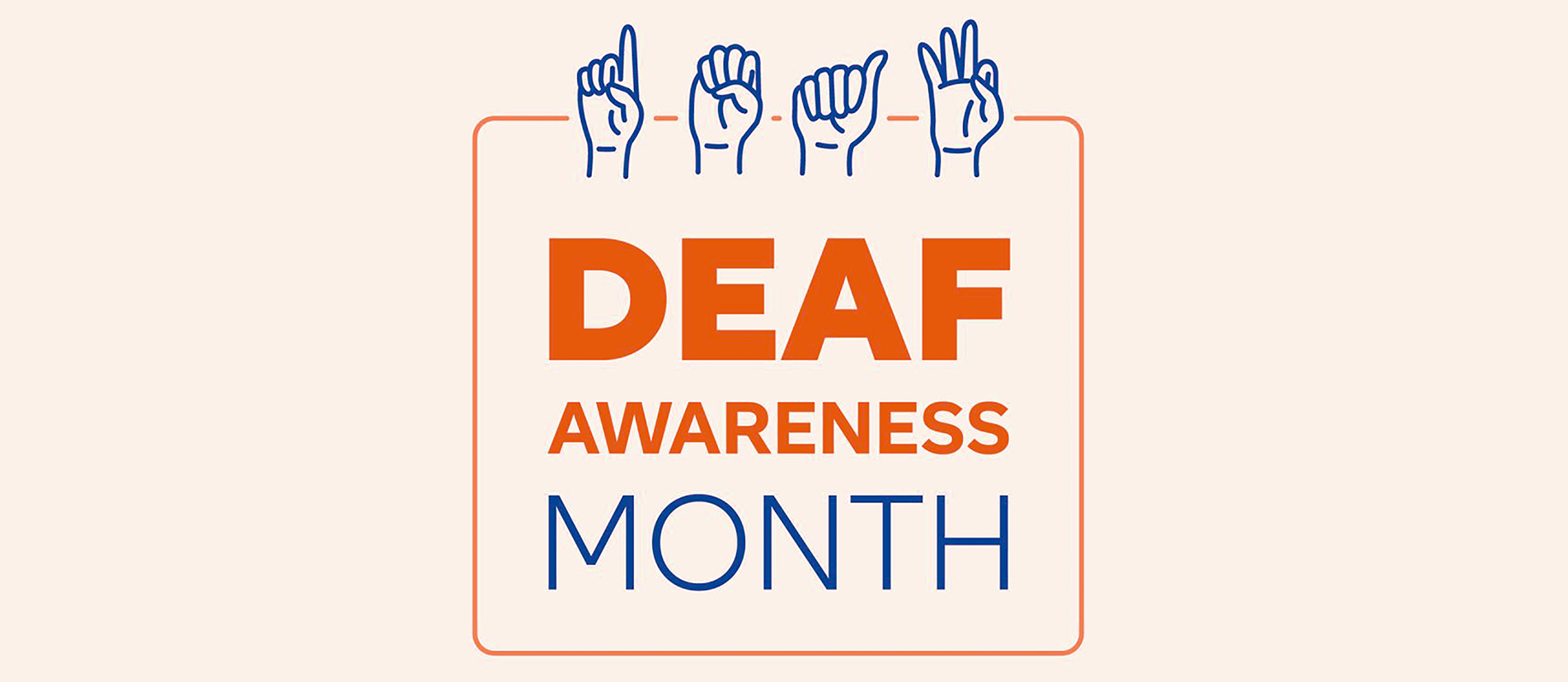
September is Deaf Awareness Month, but it's also Ovarian Cancer Awareness Month, National Suicide Prevention Month, and the beginning of National Hispanic American Heritage Month.
All of these are important. And all of them are competing for the same limited attention span, the same limited budgets, and the same limited news cycle.
The Case For the Month
I'm grateful for the spotlight.
A dedicated month gives organizations a reason to finally schedule the training, write the blog post, or invite the speaker. It opens doors that might otherwise stay closed the other eleven months.
That matters.
The Case Against Stopping There
Sheila Xu, a Deaf Harvard, MIT, & Wharton Alum, hit the nail on the head in a comment on that same post: "To me, Deaf Awareness Month is Every.Single.Day.of.the.Year."
Justin Loncar, a Deaf content creator and comedian, put it just as plainly in his own post: "Deaf awareness isn't something I clock in and out of. It's every day for me."
Absolutely.
Because awareness isn't a campaign. It's a chart note. It's a phone call. It's a stage.
The Chart Note
Earlier this week, I had a call with a nurse where I'm doing cardiac rehab. Nothing unusual, just scheduling.
Except there was a note in my chart describing me as "hearing impaired."
Not Deaf. Not hard of hearing.
Impaired.
That word carries a judgment I didn't ask for. It frames my identity through a deficit rather than recognizing the language, culture, and community that are a huge part of who I am.
And it showed up in a medical record, in a system meant to serve me.
To make matters worse, during my orientation yesterday, I learned they show everyone educational videos during group sessions. When I asked about captions, the same nurse confirmed there aren't any. When I told her that was a concern, she shrugged it off. "Just read the pamphlet," she said. "It covers pretty much the same thing."
This is what happens when a system isn't designed with cultural awareness and accessibility in mind.
The Stage
Video recently surfaced of Mel Gibson mocking an American Sign Language interpreter on stage at Fan Expo Canada, making hand gestures behind her back in front of a live audience.
To add insult to injury, the Inside Edition host covering the story on Monday, August 31st used "hearing impaired" while referring to Deaf and hard of hearing people.
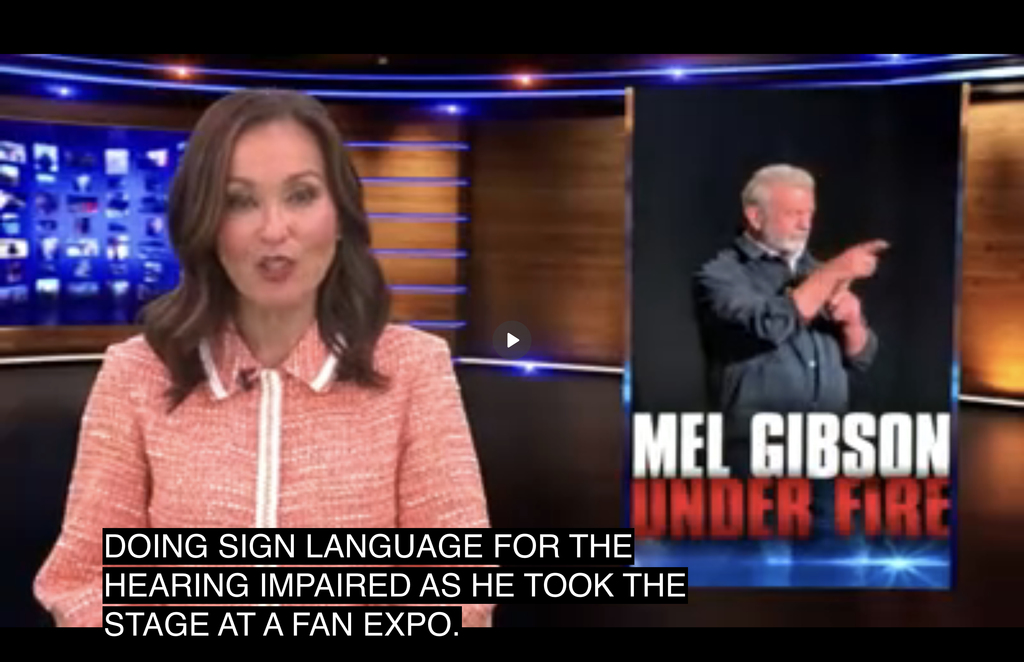
These moments. All in the span of a week. Same underlying problem.
Two of them quiet and administrative. The other was loud and public.
All of them missed an easy chance to get it right.
The Pool
But language and culture also live in everyday moments.
Last Tuesday evening, I watched a hearing mom sign “more” to her hearing toddler at the pool.
Just casually, naturally, like it was the most normal thing in the world to give her child another language.
I smiled for a moment, and then remembered how many Deaf and hard of hearing children are still growing up without access to American Sign Language because professionals tell parents not to sign with their children.
Speech pathologists. Audiologists. Pediatric otolaryngologists. Even some pediatricians.
The same language that mom chose freely for her hearing child still gets treated as a last resort for the children who would benefit from it most.
That outdated guidance is still being given to new parents right now. This needs its own awareness campaign.
What I'm Actually Asking For
This is the conflict.
I want the month.
I want the visibility. I want the funding conversations it opens. I want the training requests that finally get approved. I want organizations to stop and think about Deaf people, even if September is what finally gets them to do it.
But I don't want a month to be mistaken for the work.
Awareness that lives in a calendar square is easy to schedule and easy to forget.
Awareness that lives in a chart note, a newsroom style guide, a training room, or the choice an actor makes walking past an interpreter is the awareness that actually changes experiences.
So yes, recognize the month. Post about it. Host the panel.
But also fix the chart note. Train the newscaster. Challenge the outdated guidance. Hold the celebrity accountable.
Every single day of the year, like Sheila said.
Because awareness has to lead somewhere.
Inclusion is the next step.
And real inclusion means Deaf people are in the driver's seat when it comes to designing our own accessibility experiences, not simply consulted after the fact.
“Nothing about us without us” isn't just a slogan.
It's the standard.
That is the awareness we actually need.
Not just for thirty days.
Every day.