At the Disability:IN Conference this past July, I checked out about 30 seconds into a main stage conversation. One outdated phrase was all it took.
Last Thursday, I spent the day at Disability:IN Chicagoland’s 2026 Disability Inclusion Opportunity Summit. This time, I leaned in for all of it.
Here’s why.
It Started at the Welcome
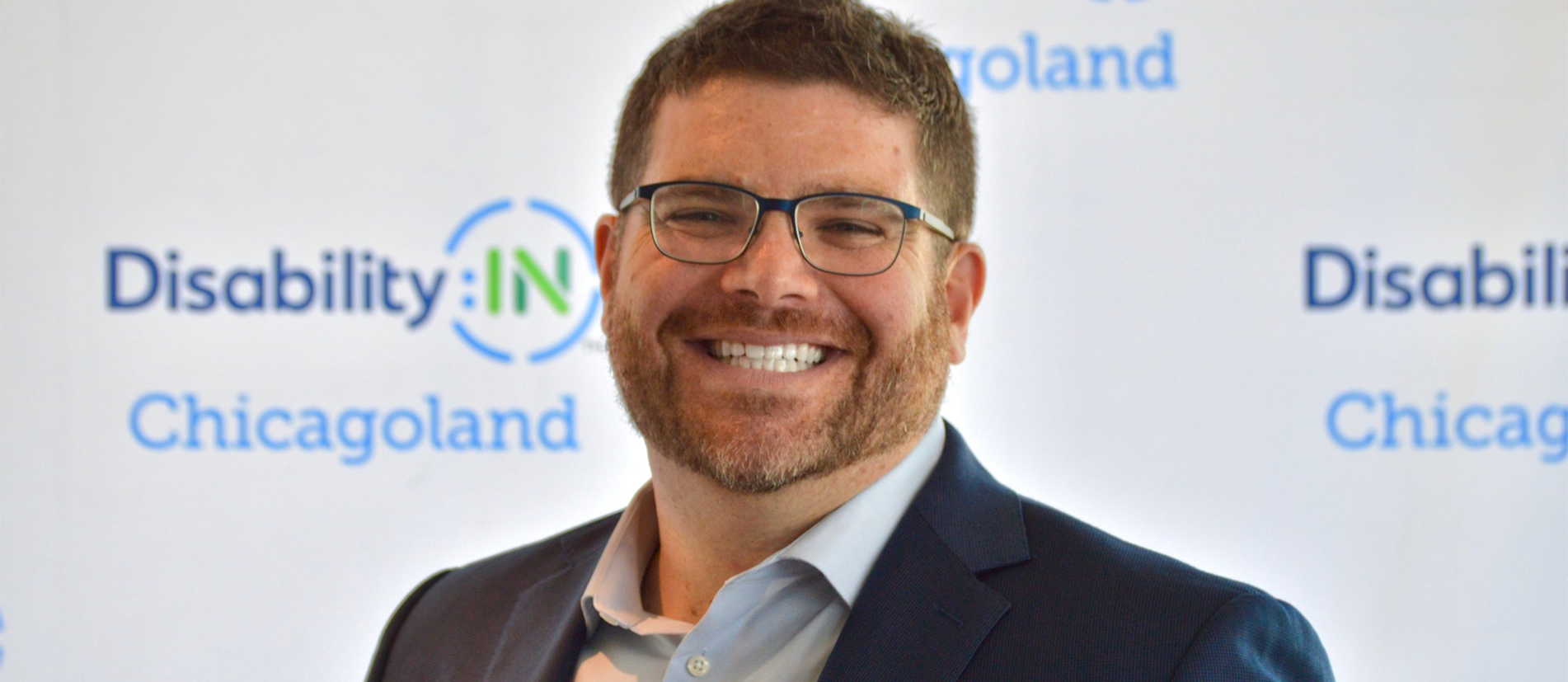
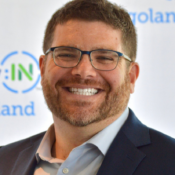
Mark Daniels, board chair of Disability:IN Chicagoland, didn’t open with statistics. He opened with his own disability experience.
I noticed right away. At most disability conferences, the opening remarks come from someone talking about our community. This was someone from our community, talking about his own life.
That set the tone for everything that followed.
During the fireside chat, Elizabeth Vosnos of Old National Bank talked about her son, who has Down syndrome. She talked about students with disabilities who age out of school services, and the talent employers miss when they don’t support them. During National Disability Employment Awareness Month (NDEAM), that hit home.
Scott Hoesman of inQUEST Consulting added a line I wrote down. Community means common unity. Don’t do this work alone.
Then the Panel
On the ERG panel, moderator Julia Carson Little of Ryan Specialty opened with her own disability why.
Mark followed with a point I keep thinking about. In India, he said, many people still assume people with disabilities can’t work or even leave home. When barriers keep people out of sight, the assumption feeds itself.
Sitting there, I thought about how often the opposite happens at bigger conferences. People without disabilities lead the conversation about us. Many mean well. But good intentions don’t replace lived experience, and sometimes they put nondisabled voices in front of ours.
In August, I wrote that a presenter’s disability status isn’t the point when the language misses. That’s still true. Every presenter needs to get the language right. But Chicagoland showed me the deeper fix. Put us on the stage.
The Power of Being Seen
Corliss Garner of Old National Bank had put it simply earlier that morning. Tell your stories.
The storytelling session did exactly that. Mary Ann Pastori of AbbVie, Carlos Terrazas of McDonald’s, and Allyce Torres of Disability:IN all rocked it with their own stories.
Carlos made a point I loved. This wasn’t inspiration porn. It was naming the barriers that exist and committing to address them.
One question came up again and again that day. Do I have a disability? The answer: it depends on the environment.
As a Deaf person, I live that every day. In a room full of ASL users, I have full access. In a meeting without an interpreter, that access disappears.
Near the end of the day, Laura Wilhelm, Executive Director of Disability:IN Chicagoland, encouraged everyone to connect with their why, the personal reason they do this work.
It tied the whole day together. Mark, Julia, and the storytelling panel all started with their why. Because it came from lived experience, you could feel it in the room.
My why is personal too. I’m a fourth-generation Deaf person. I do this work so the next generation faces fewer barriers than we did.
Our Stories, Our Words
Later, I had a chance to talk with Mark. I told him how much I appreciated his vulnerability and authenticity. Sharing your own story on stage isn’t easy. It’s also what made the whole day work.
In July, I wrote that I hoped to see more people with disabilities on the main stage, telling our own stories in our own words. I didn’t expect to find it so close to home.
Our community talking about our community isn’t just powerful storytelling. It’s proof that inclusion works when the people it serves are leading it.
If your organization wants that kind of authentic representation at its next event, let’s talk.