My friend (and former fantasy football foe) Fred Miller III, Deaf founder and president of the Gulf Coast Deaf Pickleball Club, and someone whose perspective I value, shared two articles on Facebook about the same Deaf pickleball event in Alabama.
Same event. Two very different stories. One from WVTM 13. One from The Alabama Baptist.
First, the event itself is great news. More Deaf people playing, connecting, and building community. I want to see more of it everywhere.
However, Fred and I share the same concern: how one outlet told the story.
The framing was familiar. Hearing people stepping in to help Deaf people overcome a barrier. Deaf people as the ones being helped.
In fact, that framing matters more than most people realize.
Why Media Framing Matters
Media shapes how the public sees Deaf and hard of hearing people. When we show up in the news, it's usually as recipients. Someone to be helped, accommodated, or applauded for doing something "despite" not hearing.
Too often, it's hearing people doing the talking, including those who work with our community, explaining how Deaf and hard of hearing people benefit.
Why not ask us directly?
For example, think back to COVID. Sign language interpreters stood beside governors and mayors at press conferences. News outlets ran story after story about them.
Reporters celebrated the interpreters as heroes. Yet they rarely asked the Deaf people receiving that critical information what it meant to them.
Of course, interpreters deserve recognition. But when the story is about access, the people gaining access belong in it.
Over time, these stories add up, and readers absorb them. So do employers, doctors, teachers, and coaches.
Then it shows up everywhere else. In the interview where a hiring manager wonders if a Deaf candidate can handle the job. At the doctor's office, where the provider talks to the family member instead of the patient. And in the classroom where expectations quietly drop.
"Deaf people can do this too!" is not a compliment. Instead, it sets the bar low and asks readers to be surprised when we clear it.
We already know we can.
This isn't abstract for me. I'm a fourth-generation Deaf person. My family has watched the world underestimate us for generations. Stories like this, however well-meant, keep that cycle going.
What a Better Story Looks Like
A better story starts with us. It interviews Deaf participants and highlights Deaf leadership. It shows Deaf people building the space and inviting others in. And it shows what hearing people are learning from us, too.
Fred knows this firsthand. For instance, at the club he founded in South Alabama, Deaf players welcomed coaches into their space and some of those coaches are now taking ASL. As he put it: "Deaf people should not simply be the recipients of accessibility. We should be leaders in creating it."
Ultimately, that's the story worth telling. Deaf Awareness Month ended yesterday. The work didn't.
A Challenge for NDEAM
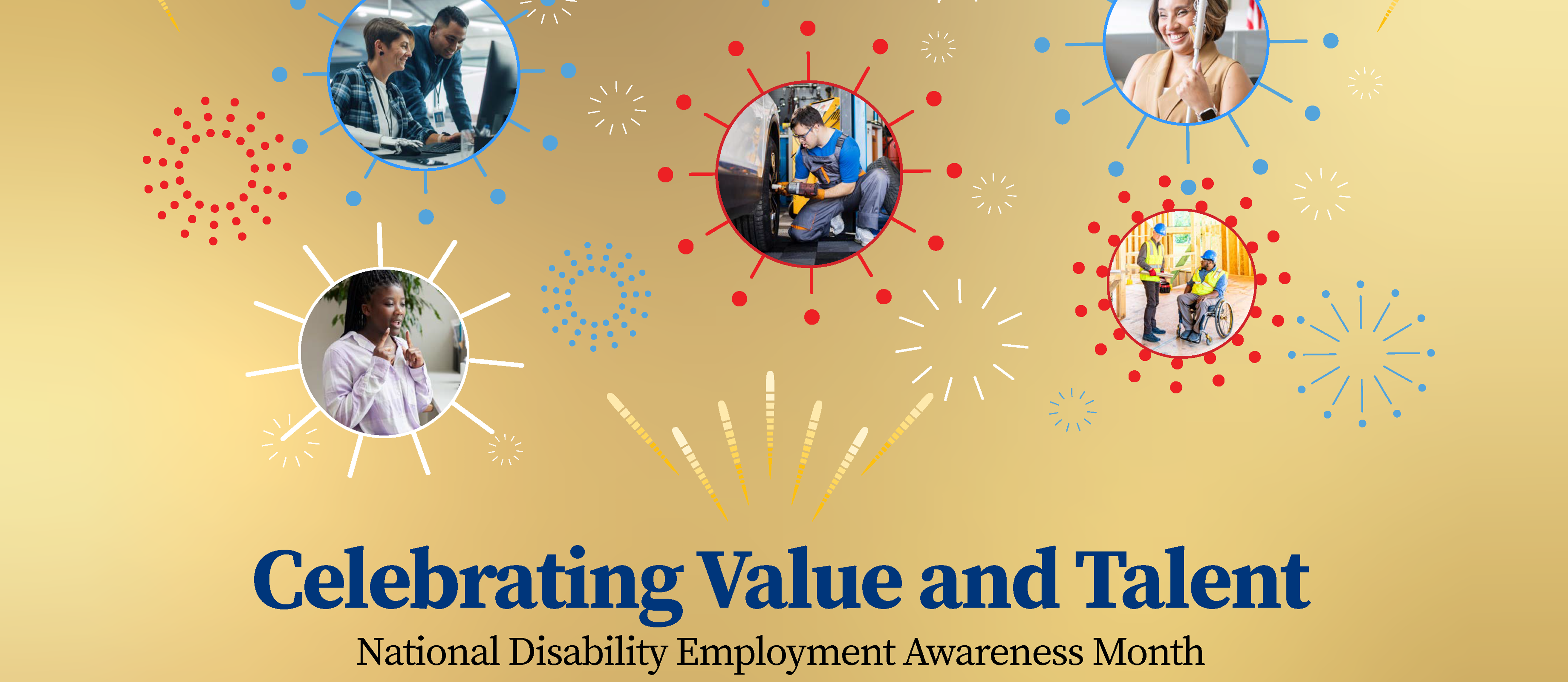
Today marks the start of National Disability Employment Awareness Month. This year's theme is "Celebrating Value and Talent."
In other words, celebrating talent means expecting it, not being surprised by it.
So here's my challenge to employers, HR teams, and anyone telling a story this month: check your framing.
Are you hiring Deaf and disabled people to help them? Or because they bring talent you need?
Don't just hire us. Promote us. Let us lead.
Finally, to journalists, storytellers, and employers: tell our stories with us, not about us.