

I went to a Chicago Cubs game with my family this week to celebrate Deaf Awareness Night.
During the game, I kept thinking about whether I see accessibility progress as half full, or half empty.
The Ask, Years Ago
As a season ticket holder, I reached out to the Cubs years ago to express concern about the lack of caption access in the stadium, including the seating and concession areas. Auditory information from the public-address system and videos displayed on their two video boards, including pre- and post-game interviews, advertisements and promotions, were not visibly accessible.
The answer was no. Wrigley Field is a historic landmark, they said. They couldn't make changes. They believed their handheld captioning devices, available for free at Fan Services, were the best option.
What I Saw This Week
I first saw captions in the stadium last year. This week, sitting in the stands again, I saw them again. Progress, right?
Except it's the same story every time. The captions show up intermittently only on two LED reader-boards along the first and third base lines, the ones primarily used to display the break, type and speed of each pitch. They aren't always displayed, even when the public-address system is in use.
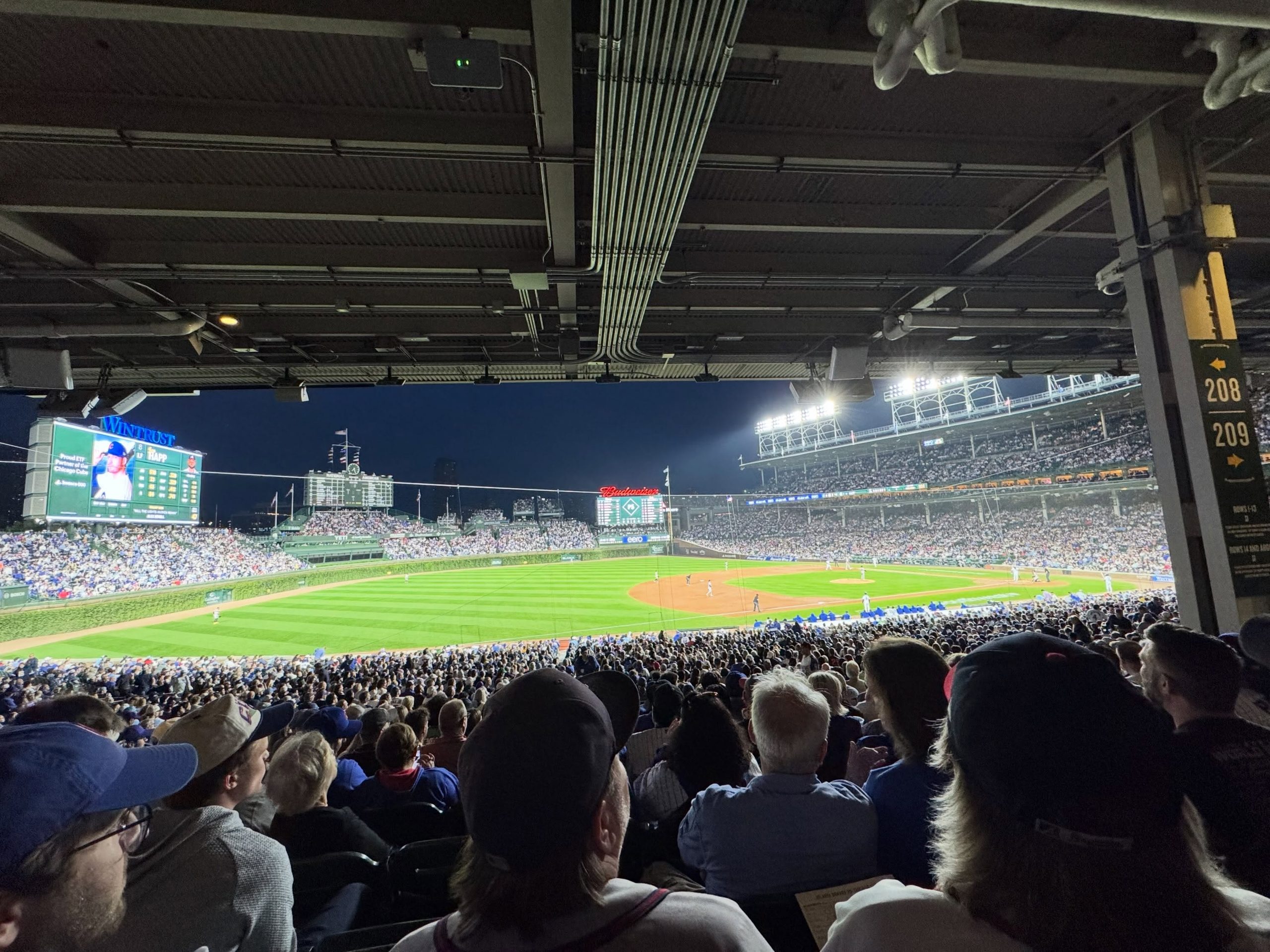
To make it even worse, they're nowhere near the two massive video boards, the ones all fans' eyes are actually on. This is especially the case when replays, pre-recorded content, the national anthem and the seventh-inning stretch singer are being displayed.
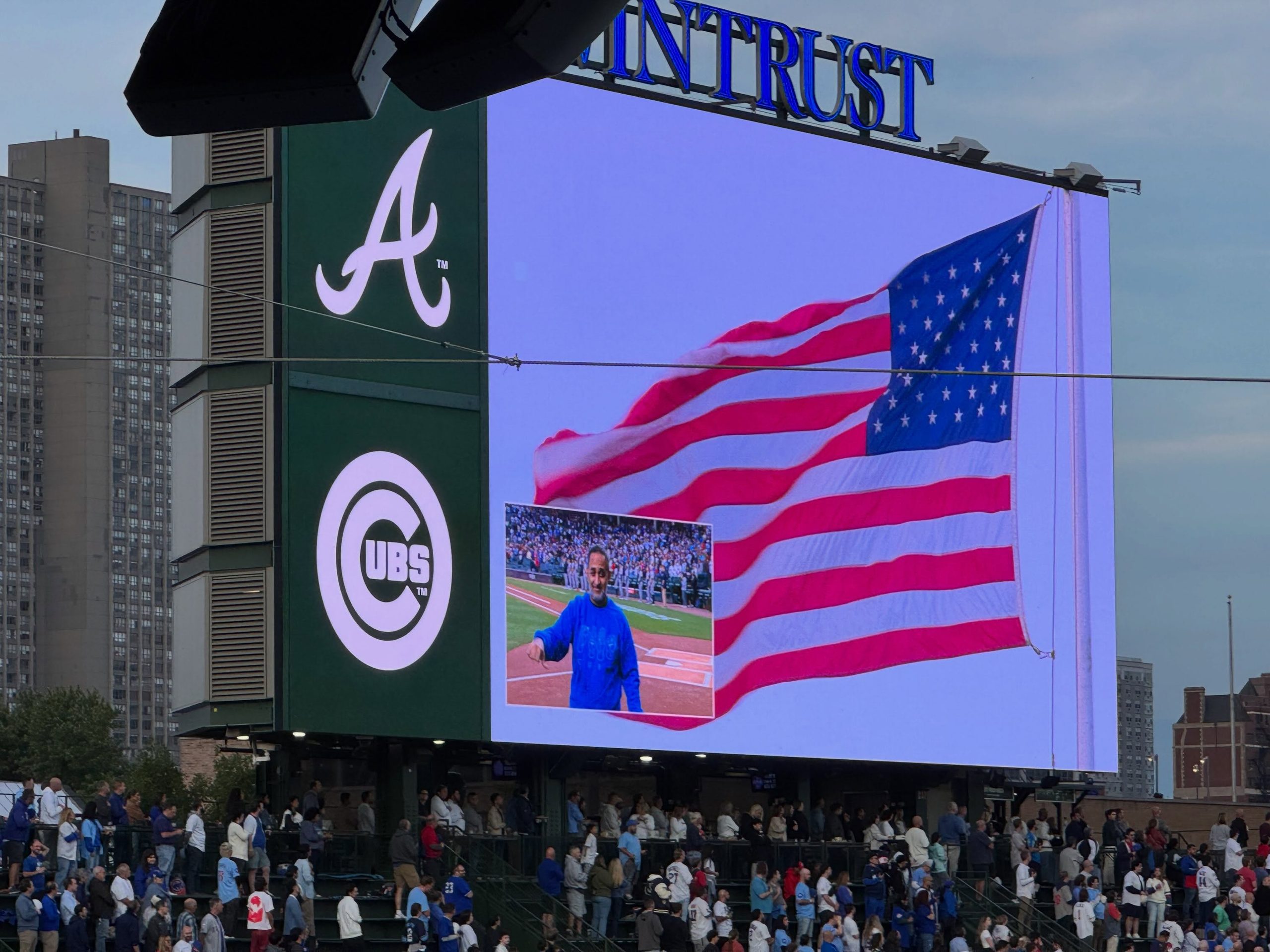
Neither of those had captions displayed.
Nor did any of the televisions inside the stadium by the concessions showing the actual broadcast while the game was being broadcast live.
A Real Commitment, On the Surface
It was Deaf Awareness Night, and 1,250 fans bought tickets to celebrate. The Cubs marked the night with two performers. One signed the National Anthem. Another signed "Take Me Out to the Ball Game" during the seventh-inning stretch.
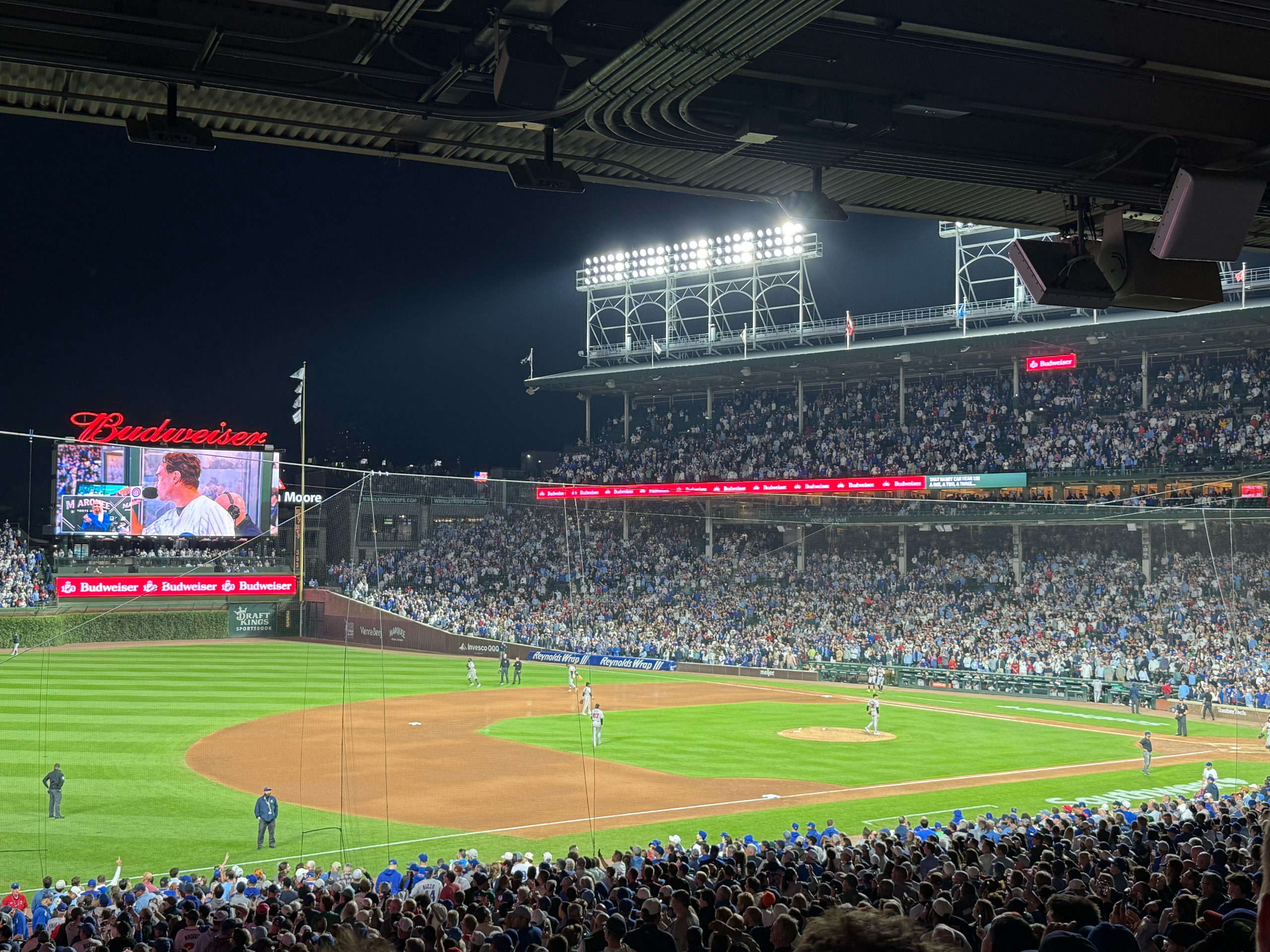
I give them credit for what they did do.
There were interpreters who supported communication access during the game in designated areas of the grandstands. The Cubs featured many Deaf and hard of hearing fans on the scoreboard between innings.
On the surface, that looks like a real commitment.
But when the moment that matters most, the actual game, the plays, the crowd energy, has zero captions on the big screens, I have to ask what we're really celebrating.
Outside the Stadium, Same Story
It also gets harder to call this progress when you look just outside the stadium. The Cubs spent millions building Gallagher Way, the plaza right next to Wrigley. It has a massive video board of its own, and it's a real part of the game day experience. Fans hang out there before the game. They also can leave the stadium during the game, hang out in the plaza, and come back.
No captions there either during Deaf Awareness Month, let alone during Deaf Awareness Night.
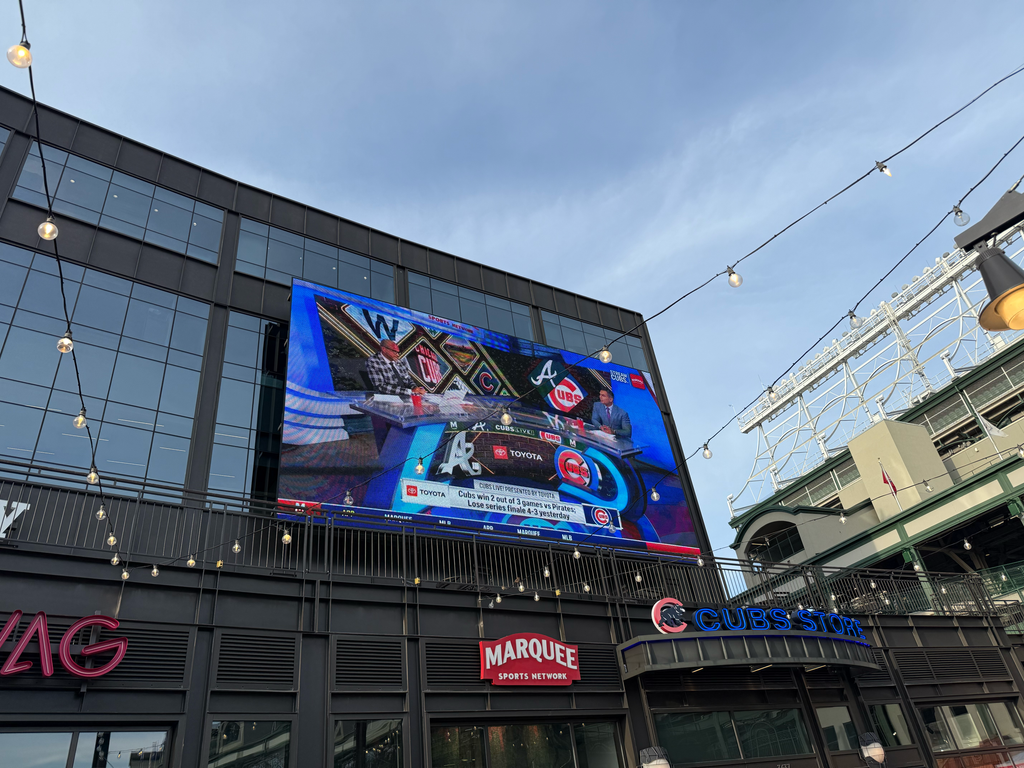
If there are hundreds of millions of dollars for a brand-new plaza with a giant screen, there's money for captions on it.
Why This Feels Performative
This is where I keep landing on half empty.
Not because I don't see the effort. I do. Captions exist somewhere in that stadium now, and that's more than existed years ago.
A single awareness night with half-baked accessibility is just performative. It's a partial, temporary spotlight for a single game.
What Real Accessibility Looks Like
Real accessibility means a Deaf or hard of hearing fan can sit anywhere in that stadium, look at the same video boards everyone else is looking at, and follow the game without missing the moment.
The Cubs are behind here. A discount and ASL access for one game is nice. But it's not what matters most to me. What matters most is taking my family to any random game and having quality access. Captions not only on the reader boards, but also on the actual video boards and each television in the stadium, every game, all season, are the standard.
Landmark status shouldn't be the excuse it once was. If the small LED reader-boards can get captions now, so can the big ones.
I'll keep showing up to these games. I'll keep pointing at the screen. And I'll keep asking: is this cup half full, or are we still just admiring the glass?